
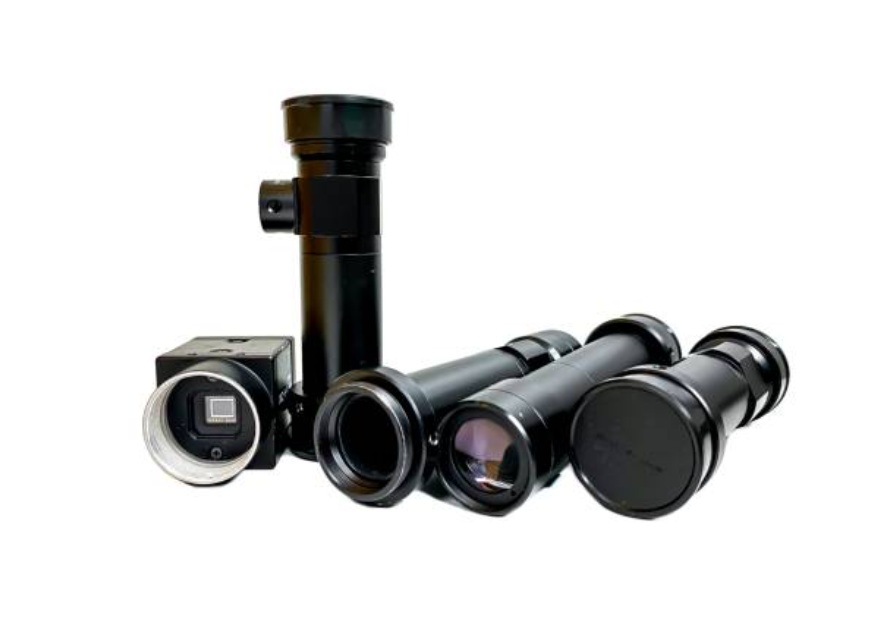
In the realm of precision measurement, clarity and accuracy are paramount. This is why the telecentric lens has emerged as an essential component, especially in industries where even the slightest variance can lead to significant implications. Understanding how a telecentric lens works and why it’s crucial, allows us to appreciate the groundbreaking advancements in precision technology, which literally reshape our capacity to perform accurate measurements.
The Science Behind Telecentric Lenses
Let’s dive into the foundational aspects of what’s behind the scenes. A telecentric lens is uniquely designed with a constant magnification system, which does not change when the object distance varies. This unique property is achieved by setting the entrance pupil of the lens at optical infinity, ensuring that only parallel rays are captured. The result? A non-perspective image where object size remains consistent across varying distances—a crucial factor for any precise measurement task.
Eliminating Parallax Error
Parallax error is a common problem in imaging systems without telecentric lenses. When the apparent position of an object changes due to the angle of viewing, measurement inaccuracies ensue. A telecentric lens eliminates this error due to its parallel ray capture, thereby ensuring dimensional integrity from top to bottom. This makes telecentric lenses ideal for applications such as robotic vision and automated inspection where reliability and preciseness cannot be compromised.
Advantages in Machine Vision Systems
The integration of telecentric lenses in machine vision camera systems is nothing short of transformative. Machine vision cameras are often used in quality control, where precision is non-negotiable. By providing a distortion-free image, telecentric lenses enhance the capability of these cameras to measure dimensions accurately, even in high-speed manufacturing environments.
- Consistent Measurement: Telecentric lenses ensure uniform measurement regardless of the object’s position, mitigating common errors associated with depth variations.
- Improved Depth of Field: These lenses offer increased depth of field, allowing more of the object to stay in focus—critical for thorough inspection processes.
- Reduced Distortion: With telecentric lenses, the inaccuracies caused by lens distortion become negligible, ensuring a true-to-size depiction of objects.
How Industries Benefit
Different sectors derive tremendous value from incorporating telecentric lenses into their precision measurement processes:
- Semiconductor Industry: In chip manufacturing, where dimensions need to be measured down to nanometers, telecentric lenses provide a level of precision that conventional lenses simply cannot match.
- Pharmaceutical Industry: Ensuring the consistency of drug packaging and the integrity of vials is facilitated by the precision of telecentric systems.
- Automotive Industry: Quality control in manufacturing processes like welding and painting relies on telecentric lenses for their non-perspective imaging capabilities.
The Future of Precision Measurement with Telecentric Lenses
As technology progresses, the demand for high-precision measurement will only continue to grow. Telecentric lenses will be at the forefront of this evolution, providing the accuracy and reliability required in increasingly automated and complex systems. Whether automating quality assurance systems or enhancing production lines, telecentric lenses play a pivotal role in delivering consistency and accuracy. They are, quite literally, an unsung hero in the world of precision measurement, ensuring that the instruments of today meet the standards of tomorrow.
